
Bullish Wedge Pattern
Bullish Wedge Pattern - The rising wedge is a bearish chart pattern found at the end of an upward trend in financial markets. It is a bullish candlestick pattern that turns bearish when the price breaks out of a wedge. Web the falling wedge pattern occurs when the asset’s price is moving in an overall bullish trend before the price action corrects lower. The rising (ascending) wedge pattern is a bearish chart pattern that signals a highly probable breakout to the downside. Web a falling wedge is a bullish chart pattern that takes place in an upward trend, and the lines slope down. Web 📌 what is the rising wedge pattern? The breakout direction from the wedge determines whether the price resumes the previous trend or moves in the same direction. Web a falling wedge pattern is seen as a bullish signal as it reflects that a sliding price is starting to lose momentum and that buyers are starting to move in to slow down the fall. These patterns can be extremely difficult to recognize and interpret on a chart since they bear much resemblance to triangle patterns and do not always form cleanly. Web ☑️what is the rising wedge pattern? Web ☑️what is the rising wedge pattern? It suggests a potential reversal in the trend. Web 📌 what is the rising wedge pattern? The rising wedge is a bearish chart pattern found at the end of an upward trend in financial markets. Within this pull back, two converging trend lines are drawn. Web the falling wedge pattern occurs when the asset’s price is moving in an overall bullish trend before the price action corrects lower. Web a falling wedge pattern is seen as a bullish signal as it reflects that a sliding price is starting to lose momentum and that buyers are starting to move in to slow down the fall. Confirm the pattern, find an entry point, and make a profit with the right strategy. It is a bullish candlestick pattern that turns bearish when the price breaks out of a wedge. Yes, a falling wedge pattern is generally considered bullish. It is a bullish candlestick pattern that turns bearish when the price breaks out of a wedge. Web learn how to exploit bullish and bearish wedge patterns correctly. The rising wedge is a bearish chart pattern found at the end of an upward trend in financial markets. It is the opposite of the bullish falling wedge pattern that occurs at. It’s the opposite of the falling (descending) wedge pattern (bullish). The breakout direction from the wedge determines whether the price resumes the previous trend or moves in the same direction. A rising wedge is a bearish chart pattern that’s found in a downward trend, and the lines slope up. The rising (ascending) wedge pattern is a bearish chart pattern that. A rising wedge is a bearish chart pattern that’s found in a downward trend, and the lines slope up. Web a wedge pattern is a popular trading chart pattern that indicates possible price direction changes or continuations. The rising (ascending) wedge pattern is a bearish chart pattern that signals a highly probable breakout to the downside. Web learn how to. The rising wedge is a bearish chart pattern found at the end of an upward trend in financial markets. Within this pull back, two converging trend lines are drawn. Web a falling wedge pattern is seen as a bullish signal as it reflects that a sliding price is starting to lose momentum and that buyers are starting to move in. It suggests a potential reversal in the trend. Web a wedge pattern is a popular trading chart pattern that indicates possible price direction changes or continuations. It’s the opposite of the falling (descending) wedge pattern (bullish). Web learn how to exploit bullish and bearish wedge patterns correctly. It is a bullish candlestick pattern that turns bearish when the price breaks. The consolidation part ends when the price action bursts through the upper trend line, or wedge’s resistance. Web learn how to exploit bullish and bearish wedge patterns correctly. Yes, a falling wedge pattern is generally considered bullish. Web a wedge pattern is a popular trading chart pattern that indicates possible price direction changes or continuations. These patterns can be extremely. Web a rising wedge pattern consists of a bunch of candlesticks forming a big angular wedge that is increasing price. Web 📌 what is the rising wedge pattern? The consolidation part ends when the price action bursts through the upper trend line, or wedge’s resistance. It’s the opposite of the falling (descending) wedge pattern (bullish). Yes, a falling wedge pattern. It is the opposite of the bullish falling wedge pattern that occurs at the end of a downtrend. Web a wedge pattern is a popular trading chart pattern that indicates possible price direction changes or continuations. Web learn how to exploit bullish and bearish wedge patterns correctly. Web ☑️what is the rising wedge pattern? These patterns can be extremely difficult. Yes, a falling wedge pattern is generally considered bullish. Within this pull back, two converging trend lines are drawn. Web a wedge pattern is a popular trading chart pattern that indicates possible price direction changes or continuations. Web a falling wedge is a bullish chart pattern that takes place in an upward trend, and the lines slope down. Web a. Web a falling wedge pattern is seen as a bullish signal as it reflects that a sliding price is starting to lose momentum and that buyers are starting to move in to slow down the fall. Web a falling wedge is a bullish chart pattern that takes place in an upward trend, and the lines slope down. It often appears. Web ☑️what is the rising wedge pattern? A rising wedge is a bearish chart pattern that’s found in a downward trend, and the lines slope up. Confirm the pattern, find an entry point, and make a profit with the right strategy. It often appears in uptrends and signals a potential upside breakout. It suggests a potential reversal in the trend. Web learn how to exploit bullish and bearish wedge patterns correctly. Web a falling wedge is a bullish chart pattern that takes place in an upward trend, and the lines slope down. Web the falling wedge pattern occurs when the asset’s price is moving in an overall bullish trend before the price action corrects lower. Within this pull back, two converging trend lines are drawn. The rising (ascending) wedge pattern is a bearish chart pattern that signals a highly probable breakout to the downside. It is a bullish candlestick pattern that turns bearish when the price breaks out of a wedge. The breakout direction from the wedge determines whether the price resumes the previous trend or moves in the same direction. It’s the opposite of the falling (descending) wedge pattern (bullish). Yes, a falling wedge pattern is generally considered bullish. Web is a falling wedge pattern bullish? Web a falling wedge pattern is seen as a bullish signal as it reflects that a sliding price is starting to lose momentum and that buyers are starting to move in to slow down the fall.
Bullish Wealth 🇮🇳 on Instagram "📈📉 Ultimate Chart Pattern Cheat Sheet
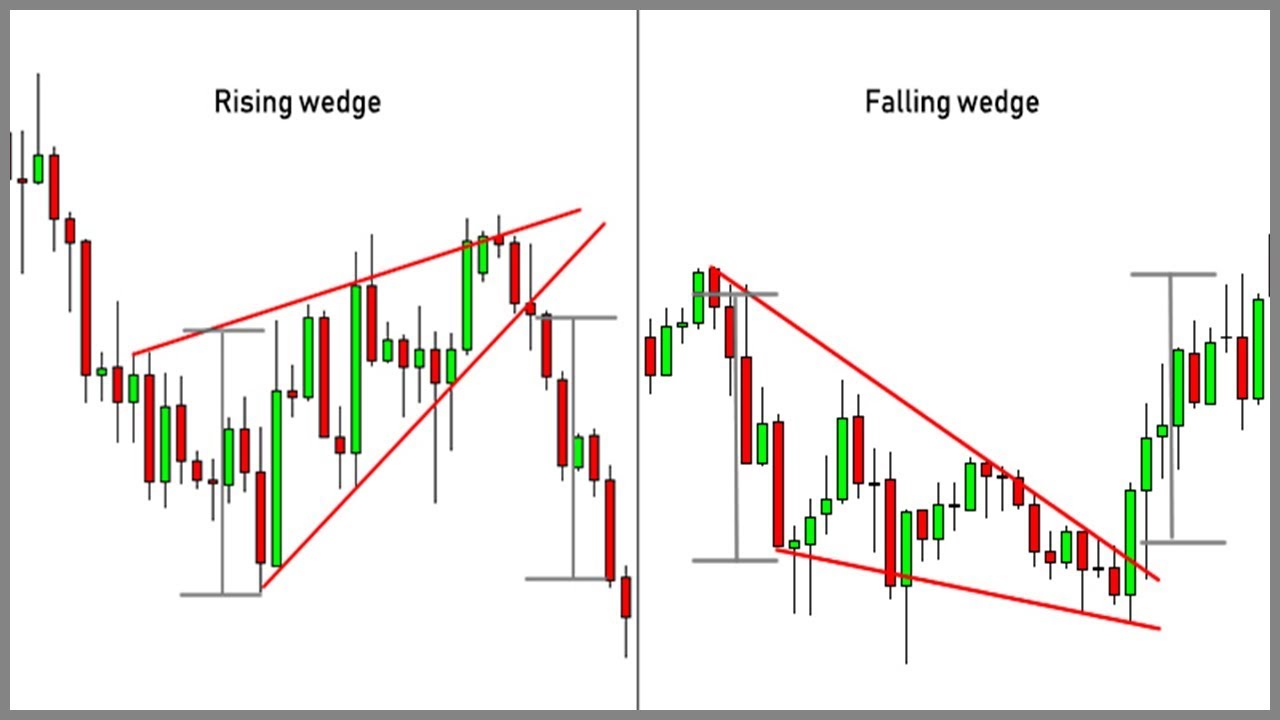
Bullish rising wedge pattern endmyte

Gold Bullish Falling Wedge for OANDAXAUUSD by Go_Hans_Fx — TradingView
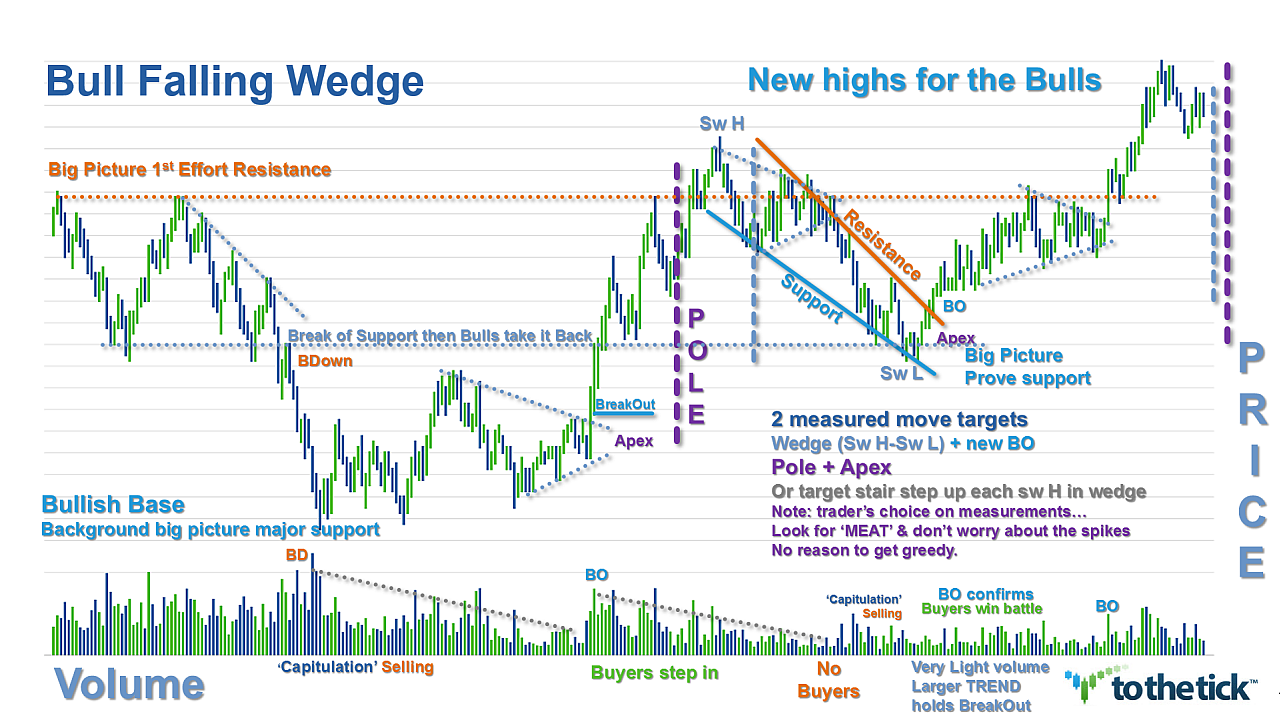
TRADING WEEKS Bull Falling Wedge
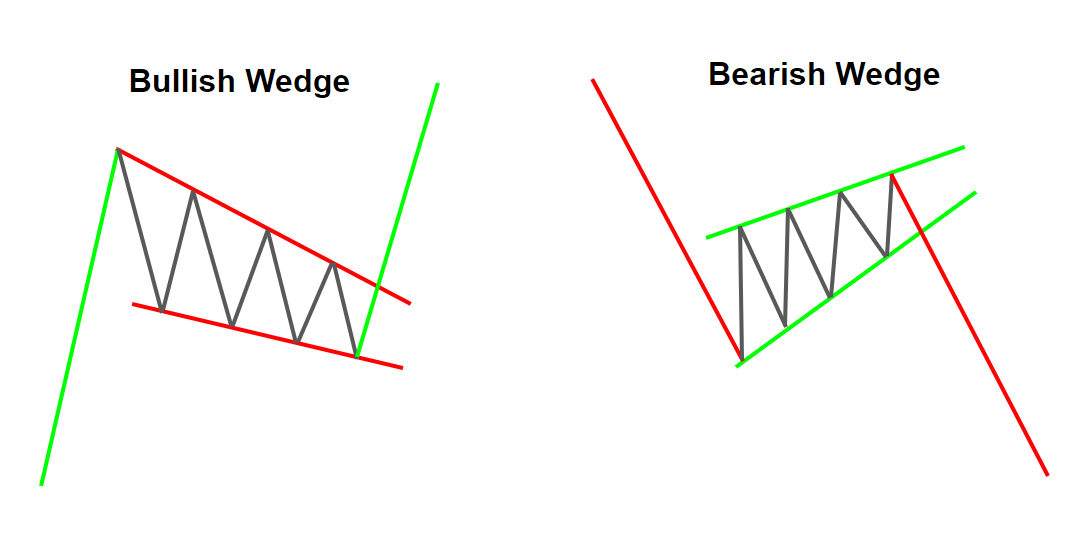
Topstep Trading 101 The Wedge Formation Topstep
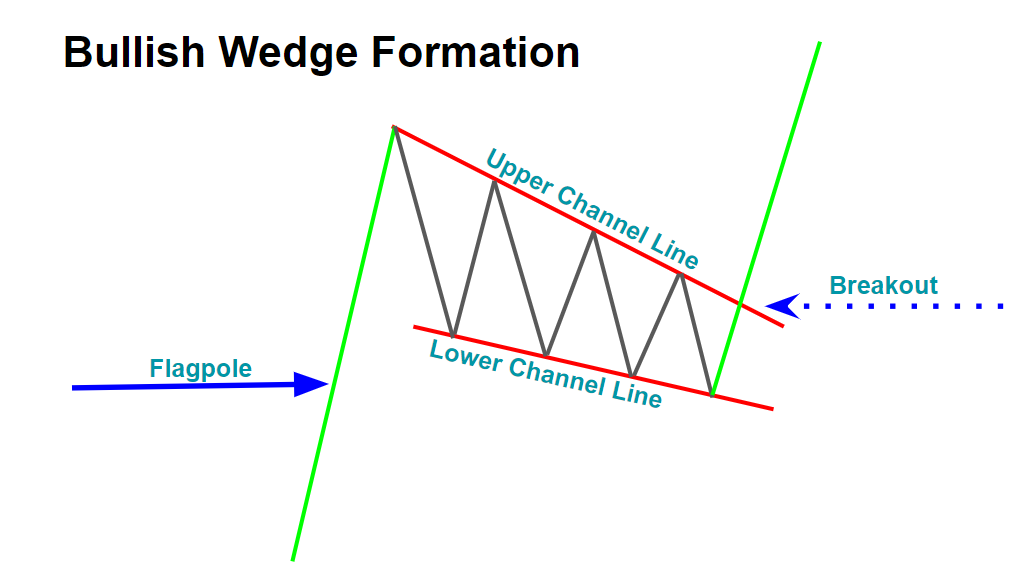
Topstep Trading 101 The Wedge Formation Topstep

Wedge Patterns How Stock Traders Can Find and Trade These Setups

Bullish falling wedge pattern thenewvery

5 Chart Patterns Every Beginner Trader Should Know Brooksy

Rising Wedge in a Bullish Pattern for BINANCEONEUSDTPERP by Celia_S
The Consolidation Part Ends When The Price Action Bursts Through The Upper Trend Line, Or Wedge’s Resistance.
It Is The Opposite Of The Bullish Falling Wedge Pattern That Occurs At The End Of A Downtrend.
Web A Rising Wedge Pattern Consists Of A Bunch Of Candlesticks Forming A Big Angular Wedge That Is Increasing Price.
Web A Wedge Pattern Is A Popular Trading Chart Pattern That Indicates Possible Price Direction Changes Or Continuations.
Related Post: