
Greek Patterns For Vases
Greek Patterns For Vases - A guide to terms, styles, and techniques. Lotus, palmettes, ivy, meander, rays, tongues and rosettes were the most popular. We had many large, small and missing pieces. We thought all was lost when we accidently broke the top of our 2 1/2 foot prized vase, which we purchased in greece over 40 years ago. Find out what is an amphora, a krater and the most usal ancient greek vases. Web the key pattern is most frequently associated with greece thanks to the ancient greeks’ commitment to employing it prolifically. The ancient greeks were great artists. They wrote and acted out plays, composed music, recited epic stories, wrote poems, created sculptures, and painted pictures. Web greek vases, with rich iconography and their distinctive decorative style, provide a rare look into life in ancient greece. Web what a masterful job accomplished by two extremely talented artists! Web the exhibition includes a diverse range of greek geometric artworks: Not only did the pots have to be stacked in the kiln in a specific manner, but the conditions inside had to be precise. Vases were shaped on a wheel,. Web pattern on pots ancient greek potters used the same patterns on many of their pots. The ancient greeks were great artists. How would the vase ever be restored to its original beauty? The motif was employed with abundance across temples and monuments in ancient greece as much as it was on domestic pots and vases. The open form of broad, shallow cups or large wine bowls (kraters), suggests easy access for hands or. Pictures on ancient greek vases give us a clue to what life might have been like over 2000 years ago. Not only were they practical objects from the time, but they also offer insight into the artistic developments, religion, and political beliefs of. Vases were shaped on a wheel,. Expect a full weekend of authentic greek cuisine and live music by the greek trio a night in athens and the sounds of talented finger picking on the strings of a bouzouki. In fact, there are many reports from the time about how wonderful and realistic their paintings were. Web pattern on pots ancient. Web what a masterful job accomplished by two extremely talented artists! The ancient greeks were great artists. The motif was employed with abundance across temples and monuments in ancient greece as much as it was on domestic pots and vases. A guide to terms, styles, and techniques. Two of the most widely used patterns are shown here: For specific treatments of the major physical types of greek pottery, see alabastron; Web made of terracotta (fired clay), ancient greek pots and cups, or “vases” as they are normally called, were fashioned into a variety of shapes and sizes (see above), and very often a vessel’s form correlates with its intended function. Web common greek vase patterns include the. Web greek pottery has four main types: Web a basic guide to ancient greek pottery shapes. Web greek pottery was manufactured in a variety of different shapes and sizes according to the use to which a particular vessel would be put. Web what a masterful job accomplished by two extremely talented artists! Find out what is an amphora, a krater. Web the key pattern is most frequently associated with greece thanks to the ancient greeks’ commitment to employing it prolifically. Figures, animals, vases, and personal ornaments such as warrior belts and pendants. A guide to terms, styles, and techniques. Not only were they practical objects from the time, but they also offer insight into the artistic developments, religion, and political. Styles such as west slope ware were characteristic of the subsequent hellenistic period, which saw vase painting's decline. Athens was its centre, and the growing moneyed population of new greek. Vases were shaped on a wheel,. A guide to terms, styles, and techniques. Lotus, palmettes, ivy, meander, rays, tongues and rosettes were the most popular. Web the exhibition includes a diverse range of greek geometric artworks: We had many large, small and missing pieces. Web greek pottery has four main types: The open form of broad, shallow cups or large wine bowls (kraters), suggests easy access for hands or. How would the vase ever be restored to its original beauty? The ancient greeks were great artists. We had many large, small and missing pieces. Not only did the pots have to be stacked in the kiln in a specific manner, but the conditions inside had to be precise. Athens was its centre, and the growing moneyed population of new greek. Two of the most widely used patterns are shown here: Vases were shaped on a wheel,. In fact, there are many reports from the time about how wonderful and realistic their paintings were. Pictures on ancient greek vases give us a clue to what life might have been like over 2000 years ago. Athens was its centre, and the growing moneyed population of new greek. Web chart of vase shapes,. For specific treatments of the major physical types of greek pottery, see alabastron; Web made of terracotta (fired clay), ancient greek pots and cups, or “vases” as they are normally called, were fashioned into a variety of shapes and sizes (see above), and very often a vessel’s form correlates with its intended function. How would the vase ever be restored. Athens was its centre, and the growing moneyed population of new greek. A guide to terms, styles, and techniques. Two of the most widely used patterns are shown here: Pictures on ancient greek vases give us a clue to what life might have been like over 2000 years ago. Web the key pattern is most frequently associated with greece thanks to the ancient greeks’ commitment to employing it prolifically. Web greek pottery was manufactured in a variety of different shapes and sizes according to the use to which a particular vessel would be put. Web the exhibition includes a diverse range of greek geometric artworks: Web greek vases, with rich iconography and their distinctive decorative style, provide a rare look into life in ancient greece. Web greek pottery has four main types: Web several types of vase, especially the taller ones, could be made in plastic forms (also called figure vases or relief vases) where the body was shaped sculpturally (somewhat in the manner of the modern toby jug), typically to form a human head. The ancient greeks loved making patterns especially on vases. Web pattern on pots ancient greek potters used the same patterns on many of their pots. In fact, there are many reports from the time about how wonderful and realistic their paintings were. The ancient greeks were great artists. Web a basic guide to ancient greek pottery shapes. Expect a full weekend of authentic greek cuisine and live music by the greek trio a night in athens and the sounds of talented finger picking on the strings of a bouzouki.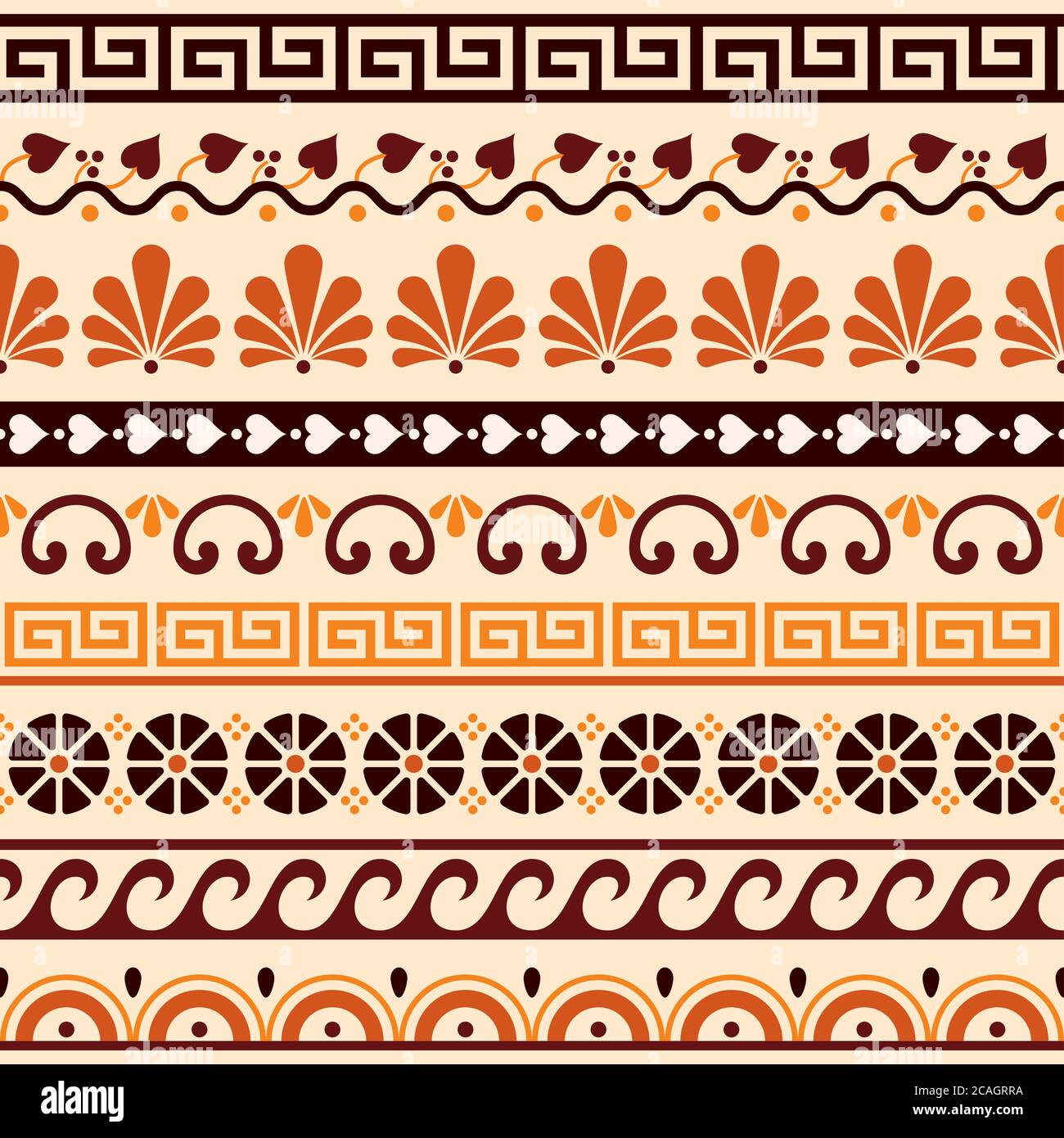
Ancient Greek Patterns On Vases

Pin on greek vases

Ancient Greek Ceramic Amphora Vase of the Geometric Period Handmade

Geometric Amphora from Dipylon Cemetery, Athens Greek pattern

John H. Oakley’s ‘Greek Vase’ The New York Times

Греческая керамика _ Greek pottery … Ancient greek art, Greek pottery

Ancient Greek Pottery Art Rare 900 BC Geometric Painted Vase Aryballos

Pin by Marsha Johnson on Elisha Widow's oil Ancient greece art

Ancient Greek Patterns On Vases

Greek Amphora Vase Geometric Pattern The Getty Store
Greek Key Pattern Egg And Dart Pattern
Web Greek Vases, Crafted From Refined Terra Cotta, Underwent A Meticulous Process.
Web Embrace The Magical Feeling Of Greece At The Holy Trinity Orthodox Church Of Greater Orlando.
Potters Mixed Raw Clay With Water, Removed Impurities, And Used A Technique Called Wedging To Prepare The Clay.
Related Post: