
Roof Sheathing Nailing Pattern
Roof Sheathing Nailing Pattern - The choice between staggered and edge fastening should align with the specific requirements of the project, local building codes, and load considerations. Provide roof ventilation according to building codes (see hints below and figure 2). Web the number of nails needed for a roof varies on multiple factors, such as board face width, length and roof truss spacing. These schedules were calculated to provide resistance to wind uplift pressure as required by most codes. Properly fasten panels (including fastening and spacing hints) step 4: Always check for level nailing surface. Ventilate the roof according to current building codes. Web secure roof sheathing to rafters or trusses using dense screw patterns, clips, and straps to increase the uplift resistance. Install it by driving nails into place near the top edge, and make sure the board is at a slight angle. Place the nails closer together and use more of them to create a stronger roof. Properly fasten panels (including fastening and spacing hints) step 4: Always check for a level. Web the number of nails needed for a roof varies on multiple factors, such as board face width, length and roof truss spacing. Web roof sheathing may not seem like a difficult job, but there is a lot to know about keeping sheets of plywood or osb on a consistent layout, with the right workflow, and proper nailing pattern. These schedules were calculated to provide resistance to wind uplift pressure as required by most codes. Always check for level nailing surface. Check the nailing surface is level. Web there are two primary goals of roof deck nailing documentation: This can be done with a straight piece of lumber (6 feet to 10 feet long) or a long carpenter's level. The preferred vantage point for the first goal (confirming nail spacing) is from above the deck since the nail heads are visible and the distance between them can be measured. Cover roof sheathing with shingle underlayment felt. Always check for a level. This strip should be 1.25 inches wide. Install it by driving nails into place near the top edge, and make sure the board is at a slight angle. Web following these simple construction steps for roof sheathing will provide best performance and minimize complaint callbacks. Always check for level nailing surface. Web following these simple construction steps for roof sheathing will provide best performance and minimize complaint callbacks. Web secure roof sheathing to rafters or trusses using dense screw patterns, clips, and straps to increase the uplift resistance. Web install it with 6 inches of clearance at the bottom. The preferred vantage point for the. The preferred vantage point for the first goal (confirming nail spacing) is from above the deck since the nail heads are visible and the distance between them can be measured. Provide roof ventilation according to building codes (see hints below and figure 2). Cover roof sheathing with shingle underlayment felt. Web following these simple construction steps for roof sheathing will. Omit roof sheathing panels in each course of sheathing between sections and install “fill in” panels. Cover roof sheathing with shingle underlayment felt. Web following these simple construction steps for roof sheathing will provide best performance and minimize complaint callbacks. Web there are two primary goals of roof deck nailing documentation: Choose units and enter the following: Web in the 2021 ibc and 2021 irc, nailing patterns for wood structural panel roof systems have been updated. Provide roof ventilation according to building codes (see hints below and figure 2). Choose units and enter the following: Cover roof sheathing with shingle underlayment felt. The preferred vantage point for the first goal (confirming nail spacing) is from above the. Omit roof sheathing panels in each course of sheathing between sections and install “fill in” panels. Always check for a level. Place the nails closer together and use more of them to create a stronger roof. Use the correct roofing nail material, size, and grade as specified in the shingle installation instructions. Web tips that will make sheathing a roof. With architectural shingles, you don’t have to worry about nails poking through the gaps. Web following these simple construction steps for roof sheathing will provide best performance and minimize complaint callbacks. Web general guidelines for nailing shingles. Cover roof sheathing with shingle underlayment felt. Web the nails needed for roof sheathing calculator computes the approximate number of nails needed to. The choice between staggered and edge fastening should align with the specific requirements of the project, local building codes, and load considerations. Web roof sheathing may not seem like a difficult job, but there is a lot to know about keeping sheets of plywood or osb on a consistent layout, with the right workflow, and proper nailing pattern. Omit roof. Use the correct roofing nail material, size, and grade as specified in the shingle installation instructions. This guide will focus on the products and techniques relevant to new construction. Cover roof sheathing with shingle underlayment felt. Web before hurricane andrew devastated south florida in 1992, roof sheathing was generally attached using 6d nails spaced at 6 inches along the edges. Web what is the nailing pattern for roof sheathing? Web following these simple construction steps for roof sheathing will provide best performance and minimize complaint callbacks. The choice between staggered and edge fastening should align with the specific requirements of the project, local building codes, and load considerations. Web roof sheathing may not seem like a difficult job, but there. For buildings with conventionally framed roofs (trusses or rafters), limit the length of continuous sections of roof area to 80 feet maximum during construction to allow for accumulated expansion in wet weather conditions. Always check for level nailing surface. Omit roof sheathing panels in each course of sheathing between sections and install “fill in” panels. Install shingles according to manufacturer recommendations. Web nailing of wall sheathing shall be increased to 8d ring shank or 10d nails on 4 inches on center along the edges and 6 inches on center in the field. Web secure roof sheathing to rafters or trusses using dense screw patterns, clips, and straps to increase the uplift resistance. Always check for level nailing surface. Web install it with 6 inches of clearance at the bottom. Properly fasten panels (including fastening and spacing hints) step 4: Place the nails closer together and use more of them to create a stronger roof. Learn about panel layout, nailing off, and roof staging. Tab shingles need two nails on each side of the tab To ensure optimal performance of your asphalt roofing shingles, be sure to follow these general directions for proper nailing: Web roof sheathing may not seem like a difficult job, but there is a lot to know about keeping sheets of plywood or osb on a consistent layout, with the right workflow, and proper nailing pattern. Confirm nail penetration into roof structural members. This guide will focus on the products and techniques relevant to new construction.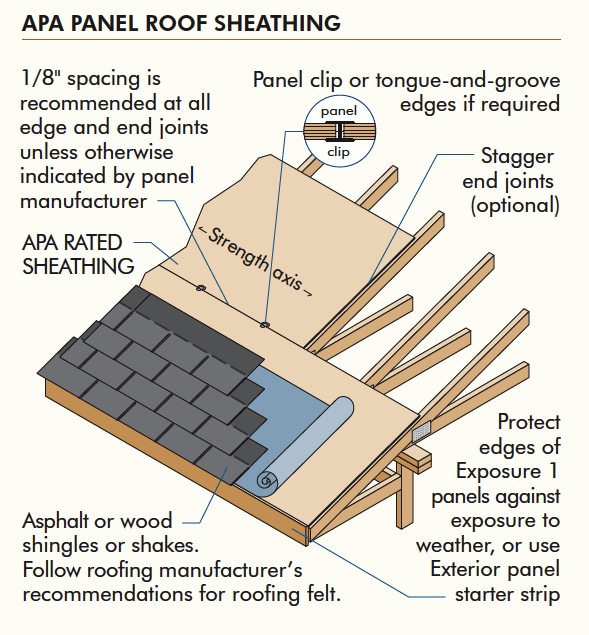
Roof Sheathing Nail Pattern Nail Ftempo
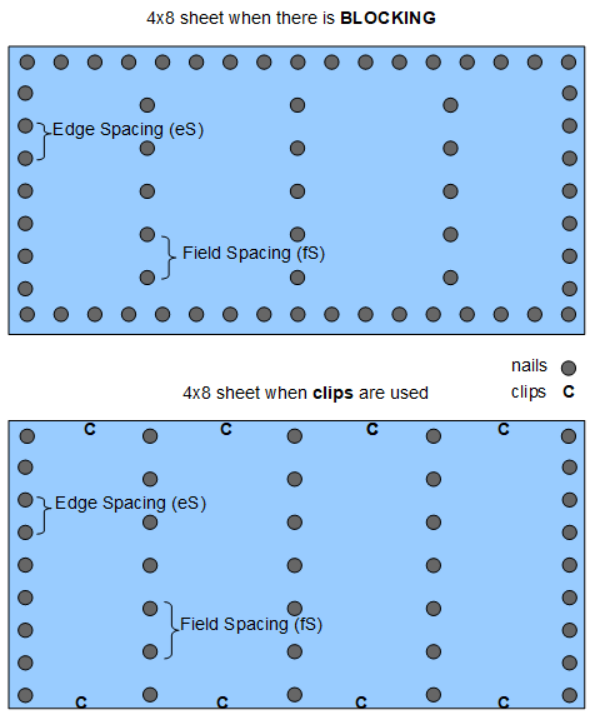
Nails for Gable Roof Sheathing
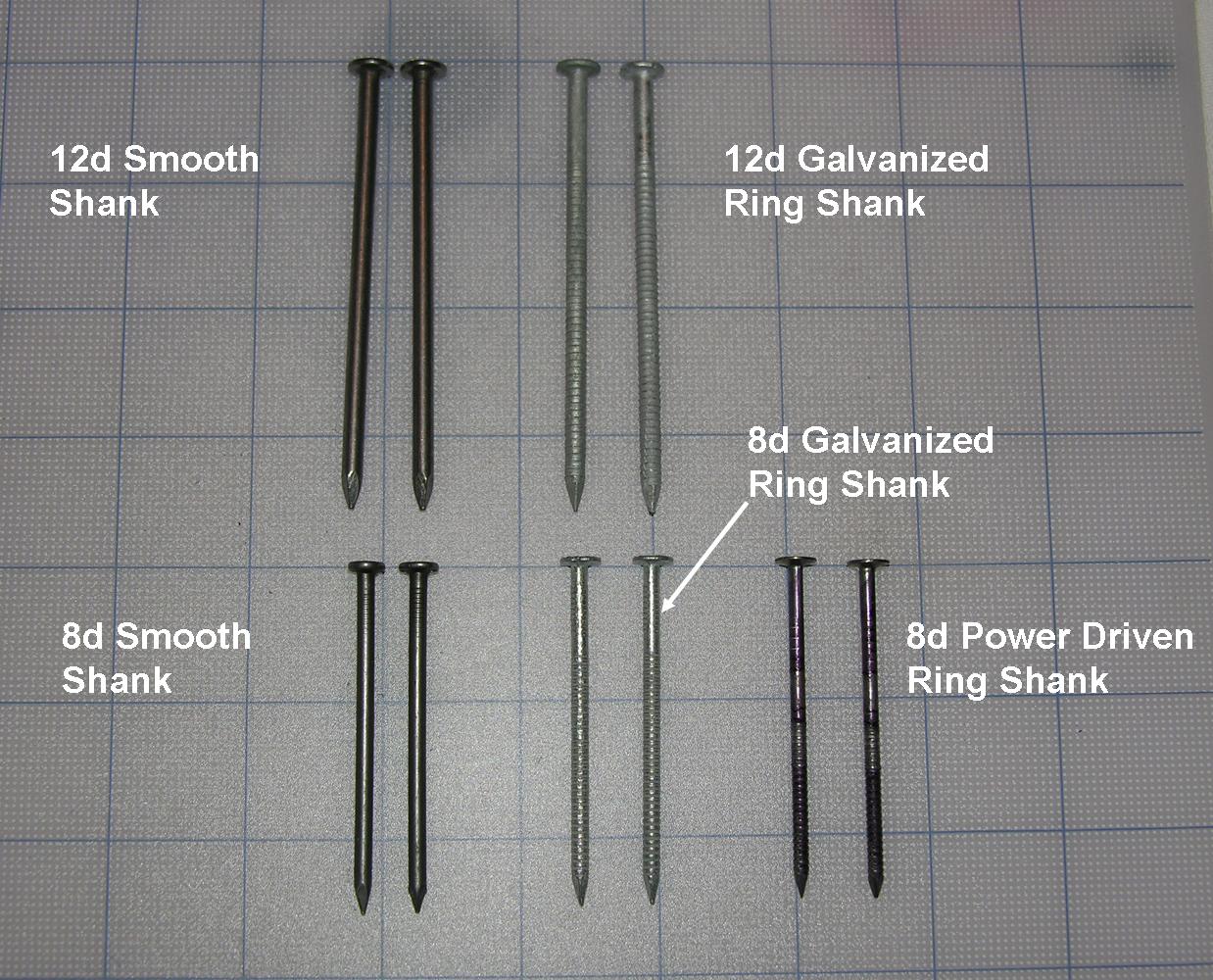
Roof Sheathing Nail Pattern Nail Ftempo
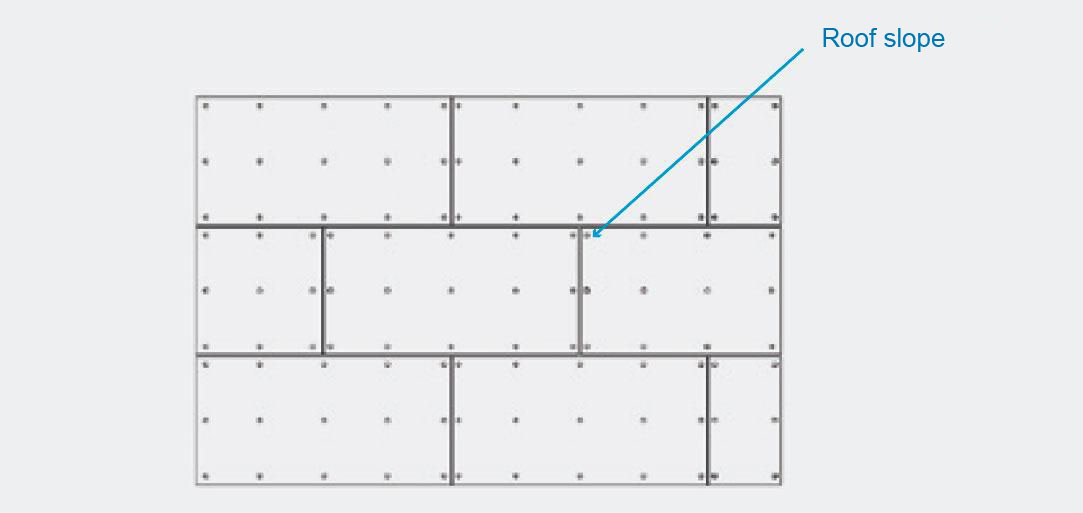
Roof Sheathing Nail Pattern Nail Ftempo
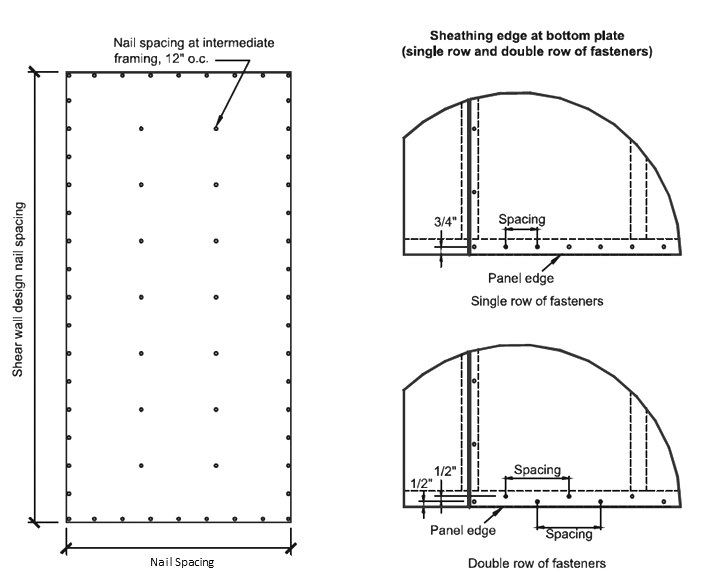
Roof Sheathing Pattern

Roof Sheathing Nail Pattern Nail Ftempo
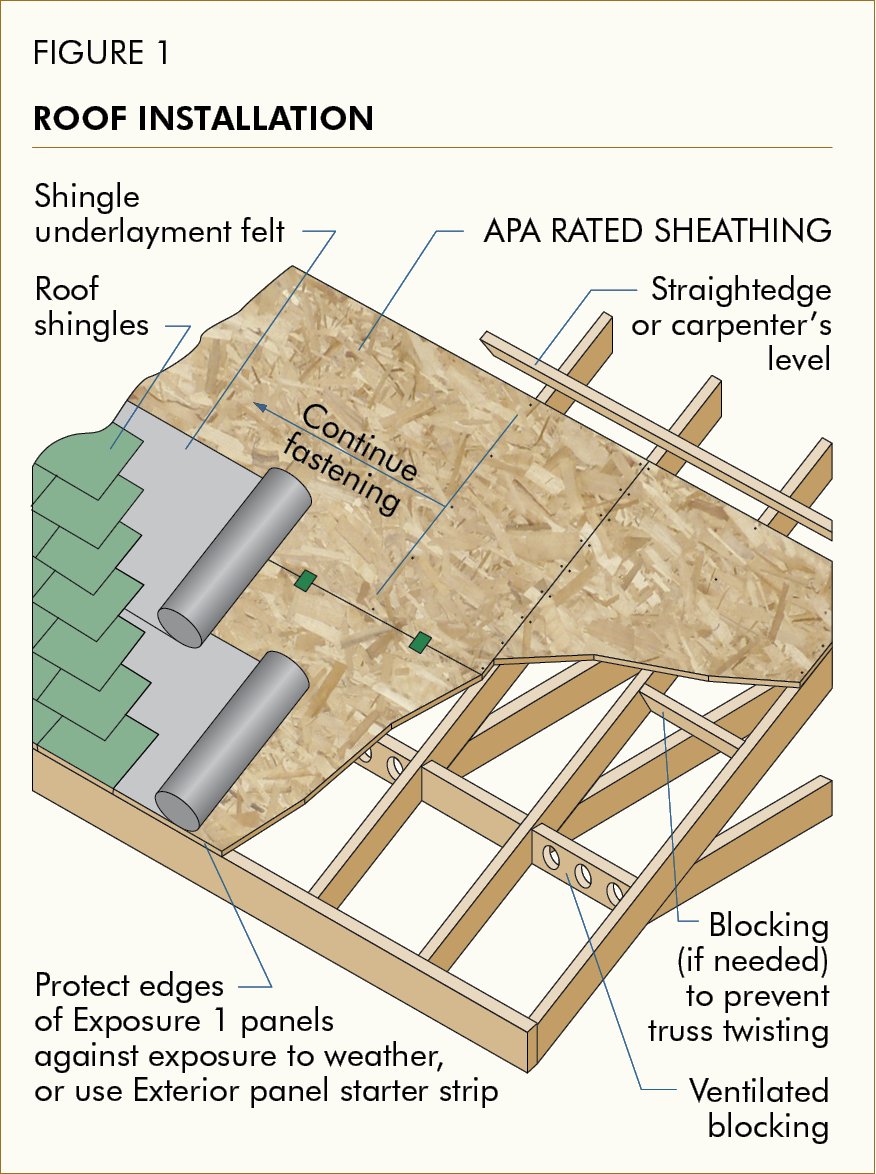
APA Builder Tips Proper Installation of APA Rated Sheathing for Roof
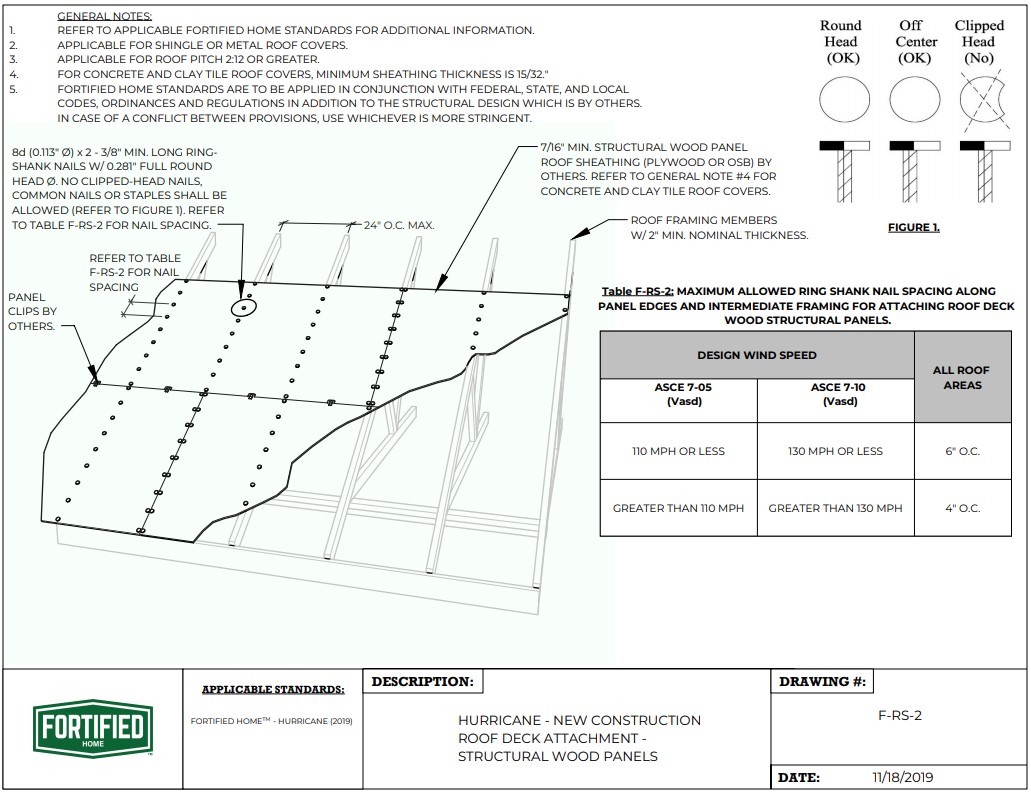
Roof Sheathing Nail Pattern My Bios

Roof Sheathing Nail Pattern Nail Ftempo

Sheathing a Roof Fine Homebuilding
These Schedules Were Calculated To Provide Resistance To Wind Uplift Pressure As Required By Most Codes.
The Nailing Pattern For Roof Sheathing Requires Using Longer Nails With A Larger Shank, Diameter, And Head.
Check The Nailing Surface Is Level.
Cover Roof Sheathing With Shingle Underlayment Felt.
Related Post: