
Scleroderma Ana Pattern
Scleroderma Ana Pattern - Understanding of the molecular differences and pathogenesis of scleroderma has helped further inform clinical acumen. Web new insights from existing autoantibody specificities. Web antinuclear antibody (ana) testing is the most important blood test to screen for scleroderma and other connective tissue diseases. Web antinuclear autoantibodies (ana) are central to the diagnosis of ssc. Web ana is done by ifa (as it should be), then instead of a single number, the result (if positive) looks something like this: Web anoa actually comprises a group of mutually exclusive and heterogeneous autoantibodies that exhibit a typical nucleolar staining pattern of ana by iif on various cells (most often hep2 cells). It can also affect your child’s gastrointestinal tract, lungs, kidneys, heart, blood vessels, muscles and joints. Dcssc and lcssc refer to diffuse and limited cutaneous systemic sclerosis, respectively. Web characteristics and clinical associations of the different autoantibodies that may be seen in scleroderma. This has very high reliability and is the best way to test for. Ana specificities associated with distinct clinical patterns of organ and skin involvement. Web subsequent testing for ssc is determined by the ana patterns observed (eg, homogeneous, centromere, nucleolar, and speckled nuclear patterns or reticular/ama cytoplasmic pattern). It can also affect your child’s gastrointestinal tract, lungs, kidneys, heart, blood vessels, muscles and joints. Some specific staining patterns are fairly specific to certain diseases (for example, a centromere pattern is highly correlated with the presence of centromere antibodies and limited systemic scleroderma). See laboratory testing and the. This has very high reliability and is the best way to test for. If there is a centromeric pattern, no additional tests are recommended. Web ana is done by ifa (as it should be), then instead of a single number, the result (if positive) looks something like this: Dcssc and lcssc refer to diffuse and limited cutaneous systemic sclerosis, respectively. Web antinuclear antibody (ana) testing is the most important blood test to screen for scleroderma and other connective tissue diseases. Some labs include this information in their test catalogs, but others do not. Ana specificities associated with distinct clinical patterns of organ and skin involvement. Your lab technician will perform a blood test, place a sample of your cells on a slide, and then examine them using a. See laboratory testing and the. It can also affect your child’s gastrointestinal. Ana is measured by how much a patient's blood sample can be diluted and still produce what is called a positive staining pattern. Web the staining pattern can be somewhat subjective but overall it gives a rough idea of what type of antibody is detected. It can also affect your child’s gastrointestinal tract, lungs, kidneys, heart, blood vessels, muscles and. Web subsequent testing for ssc is determined by the ana patterns observed (eg, homogeneous, centromere, nucleolar, and speckled nuclear patterns or reticular/ama cytoplasmic pattern). Your lab technician will perform a blood test, place a sample of your cells on a slide, and then examine them using a. Web scleroderma is a relatively rare disease affecting about 2.5 of every 10,000. Web characteristics and clinical associations of the different autoantibodies that may be seen in scleroderma. Web anoa actually comprises a group of mutually exclusive and heterogeneous autoantibodies that exhibit a typical nucleolar staining pattern of ana by iif on various cells (most often hep2 cells). Web new insights from existing autoantibody specificities. Ana specificities associated with distinct clinical patterns of. Web patients who have systemic sclerosis can be classified into distinct clinical subsets with different patterns of skin and internal organ involvement, autoantibody production, and patient. Dcssc and lcssc refer to diffuse and limited cutaneous systemic sclerosis, respectively. Web there are now several different ways of testing for ana. See laboratory testing and the. Ana specificities associated with distinct clinical. Some specific staining patterns are fairly specific to certain diseases (for example, a centromere pattern is highly correlated with the presence of centromere antibodies and limited systemic scleroderma). Web scleroderma is a relatively rare disease affecting about 2.5 of every 10,000 people. Web ana is done by ifa (as it should be), then instead of a single number, the result. Web subsequent testing for ssc is determined by the ana patterns observed (eg, homogeneous, centromere, nucleolar, and speckled nuclear patterns or reticular/ama cytoplasmic pattern). Web antinuclear antibody (ana) testing is the most important blood test to screen for scleroderma and other connective tissue diseases. Web scleroderma is a relatively rare disease affecting about 2.5 of every 10,000 people. Web the. Web characteristics and clinical associations of the different autoantibodies that may be seen in scleroderma. It can also affect your child’s gastrointestinal tract, lungs, kidneys, heart, blood vessels, muscles and joints. Web subsequent testing for ssc is determined by the ana patterns observed (eg, homogeneous, centromere, nucleolar, and speckled nuclear patterns or reticular/ama cytoplasmic pattern). See laboratory testing and the.. This has very high reliability and is the best way to test for. Understanding of the molecular differences and pathogenesis of scleroderma has helped further inform clinical acumen. Scleroderma is a rare disease that causes abnormal thickening and hardening of your child’s skin and tissues. Web scleroderma is a relatively rare disease affecting about 2.5 of every 10,000 people. Web. However, this may not be true in other parts of the world. If there is a centromeric pattern, no additional tests are recommended. Web subsequent testing for ssc is determined by the ana patterns observed (eg, homogeneous, centromere, nucleolar, and speckled nuclear patterns or reticular/ama cytoplasmic pattern). Web characteristics and clinical associations of the different autoantibodies that may be seen. Web antinuclear autoantibodies (ana) are central to the diagnosis of ssc. If there is a centromeric pattern, no additional tests are recommended. Web patterns of antinuclear antibodies (ana) although it is usually called the ana test, the same procedure also exhibits reactivity against all types of subcellular structures and cell organelles including cell surfaces, cytoplasm, nuclei, or nucleoli [ 1 ]. Web the staining pattern can be somewhat subjective but overall it gives a rough idea of what type of antibody is detected. This has very high reliability and is the best way to test for. Some labs include this information in their test catalogs, but others do not. Scleroderma is a rare disease that causes abnormal thickening and hardening of your child’s skin and tissues. Web anoa actually comprises a group of mutually exclusive and heterogeneous autoantibodies that exhibit a typical nucleolar staining pattern of ana by iif on various cells (most often hep2 cells). Web patients who have systemic sclerosis can be classified into distinct clinical subsets with different patterns of skin and internal organ involvement, autoantibody production, and patient. Web ana is done by ifa (as it should be), then instead of a single number, the result (if positive) looks something like this: Web characteristics and clinical associations of the different autoantibodies that may be seen in scleroderma. Web new insights from existing autoantibody specificities. See laboratory testing and the. Some specific staining patterns are fairly specific to certain diseases (for example, a centromere pattern is highly correlated with the presence of centromere antibodies and limited systemic scleroderma). Web subsequent testing for ssc is determined by the ana patterns observed (eg, homogeneous, centromere, nucleolar, and speckled nuclear patterns or reticular/ama cytoplasmic pattern). It can also affect your child’s gastrointestinal tract, lungs, kidneys, heart, blood vessels, muscles and joints.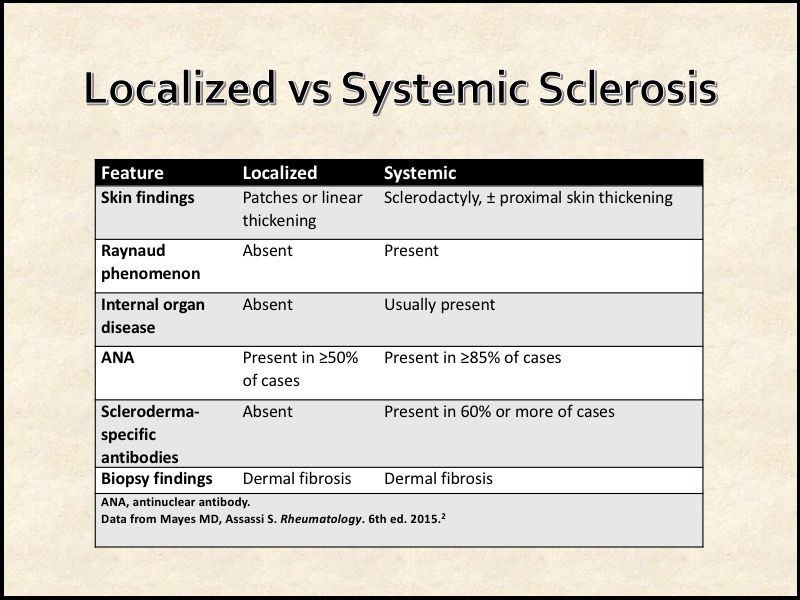
Scleroderma A Primary Care Approach
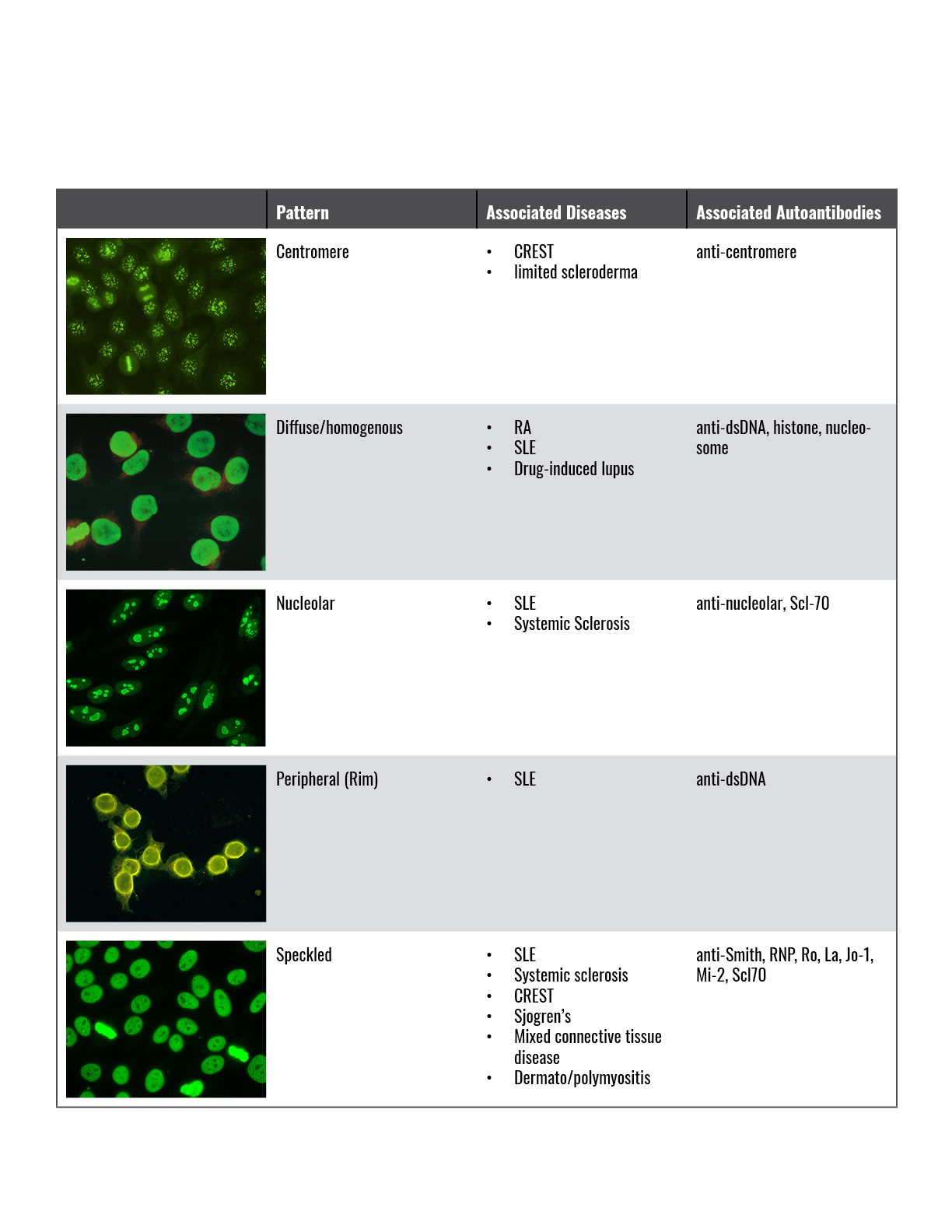
ANA Boards Fodder Next Steps in Dermatology

ANA Pattern Question r/scleroderma
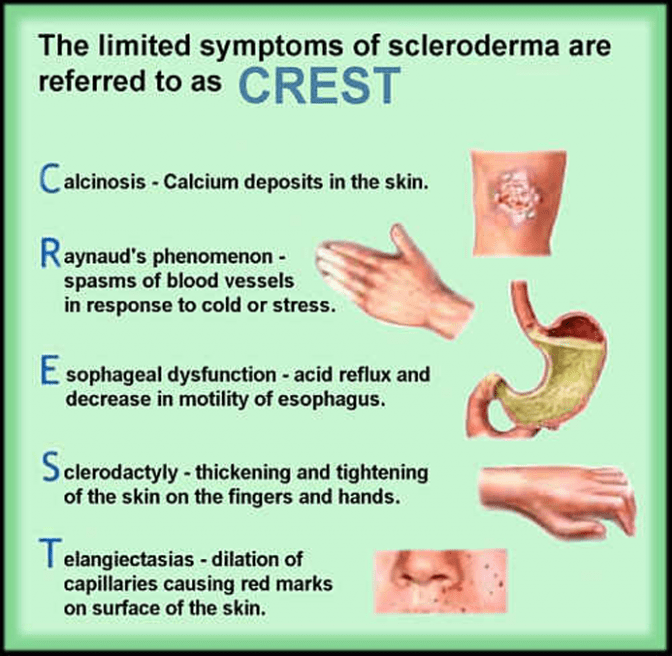
Scleroderma Myositis Support and Understanding
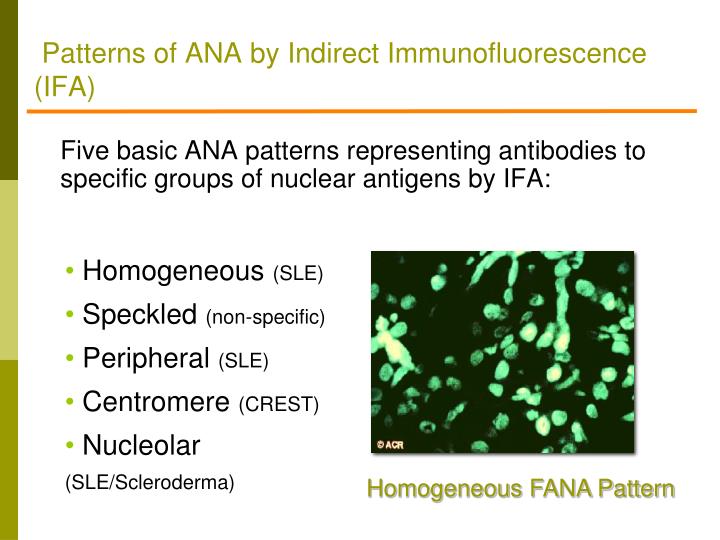
PPT Rheumatology Update Pearls for Primary Care PowerPoint

Scleroderma NEJM
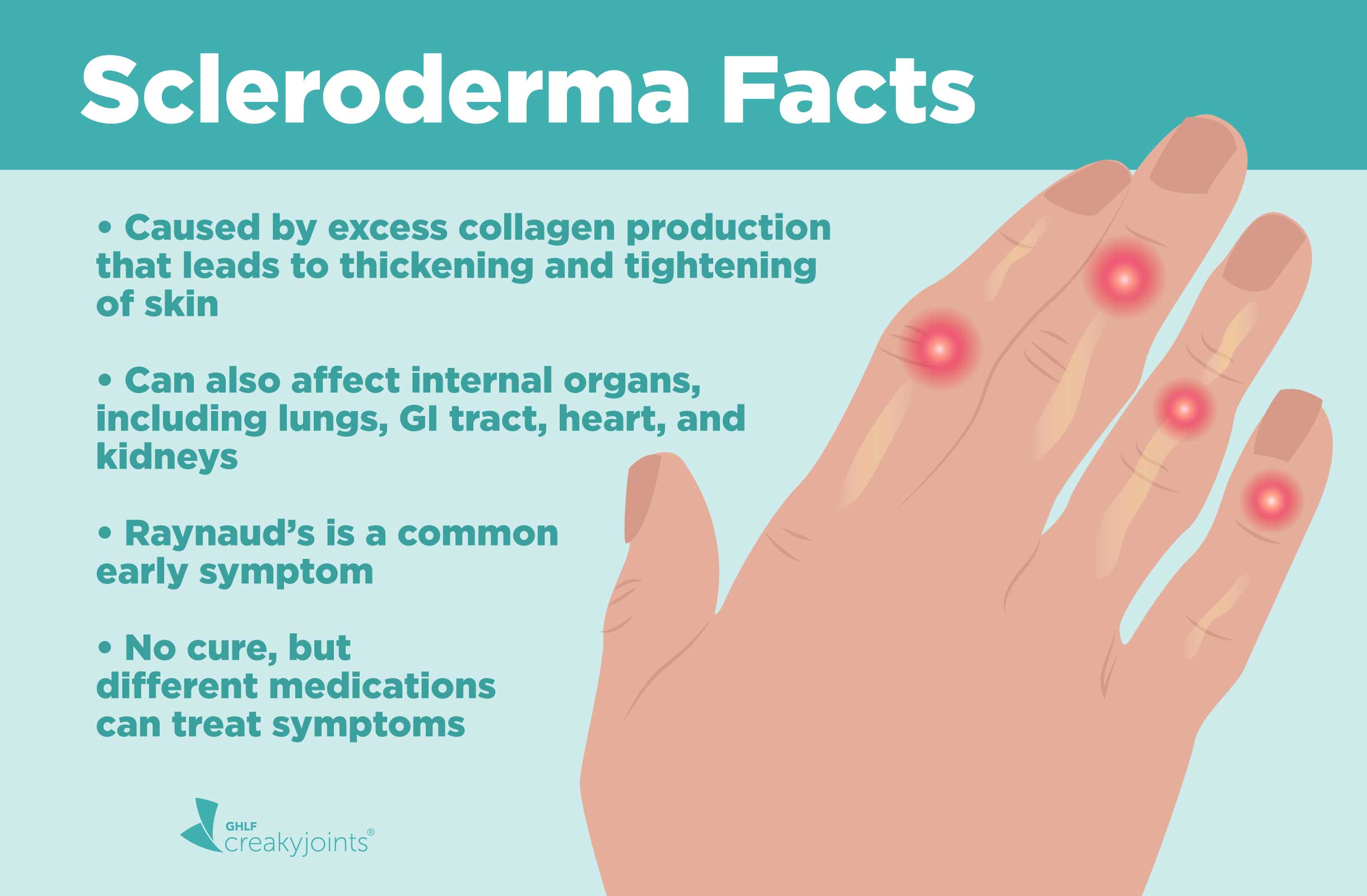
What is Scleroderma? Understanding Symptoms, Causes, and Treatments

Patterns of scleroderma and 'normal' pattern on nailfold... Download
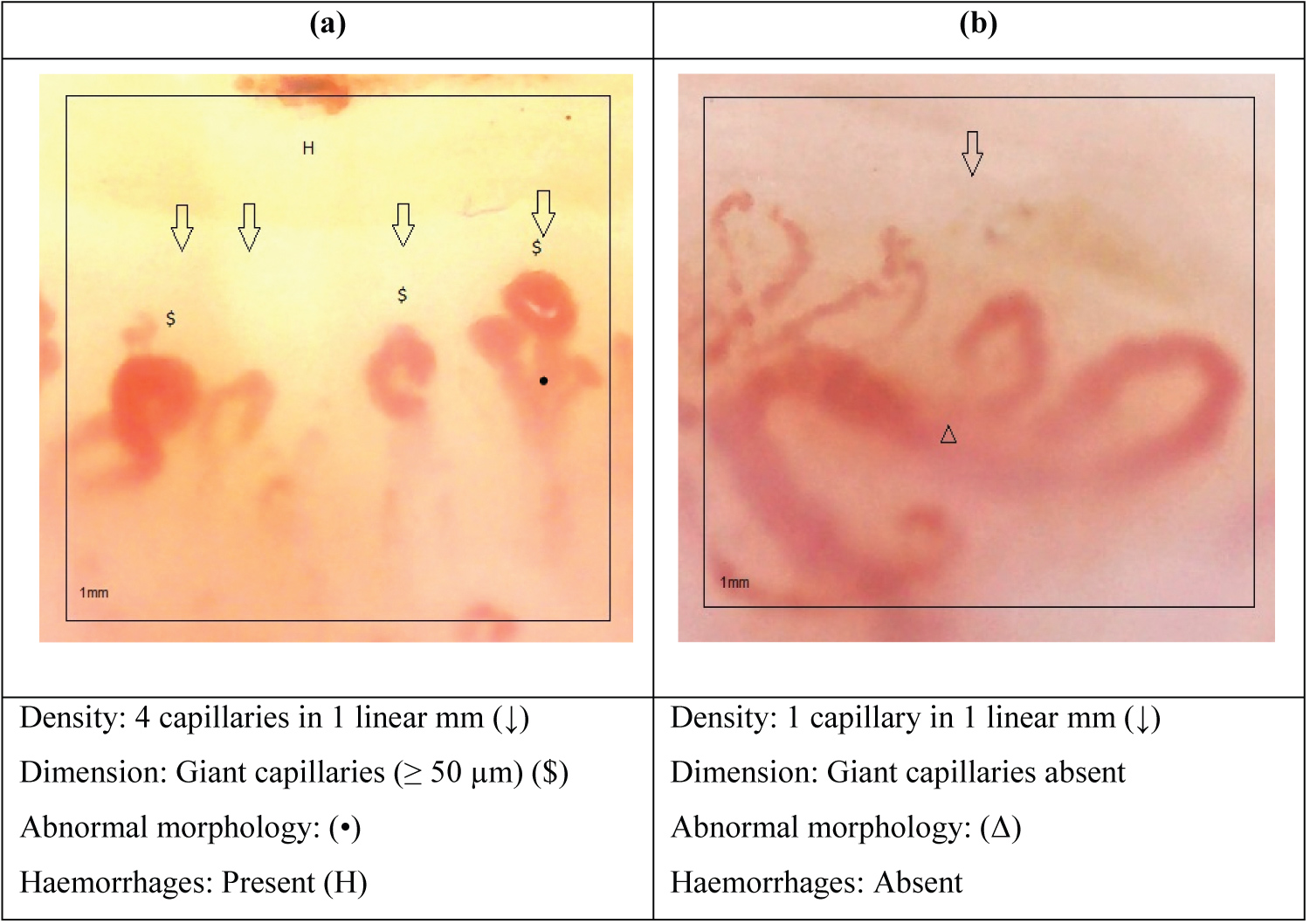
Nailfold Capillaroscopy by Digital Microscope in a Guatemalan
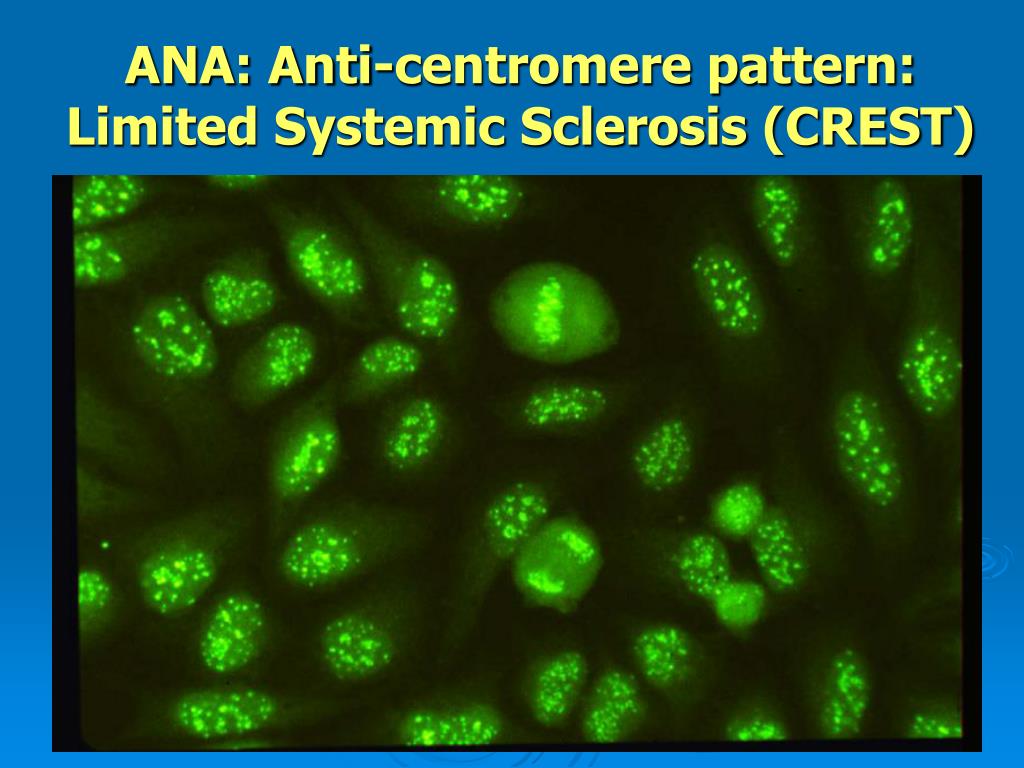
PPT Rheumatology Back to Basics 2012 PowerPoint Presentation, free
Dcssc And Lcssc Refer To Diffuse And Limited Cutaneous Systemic Sclerosis, Respectively.
Ana Is Measured By How Much A Patient's Blood Sample Can Be Diluted And Still Produce What Is Called A Positive Staining Pattern.
Web There Are Now Several Different Ways Of Testing For Ana.
However, This May Not Be True In Other Parts Of The World.
Related Post: